www.linkedin.com/posts/theo-barclay-1b0586ba_mazur-judgment-ugcPost-7444708298349494272-pxmd
Categories
CONCISE SUMMARY FROM GROK:
Here is a concise 400-word summary (word count: 398) on gallbladder anatomy, structured for clarity and completeness.
Introduction and Location
The gallbladder is a pear-shaped, intraperitoneal sac that stores and concentrates bile produced by the liver. It measures 7–10 cm in length, 3–5 cm in width, with a normal capacity of 30–50 ml (up to 300 ml when obstructed). It lies in the gallbladder fossa on the visceral surface of the liver, between the right lobe and quadrate lobe (segments IV and V), in the right hypochondrium. The fundus projects anteriorly, often contacting the anterior abdominal wall at the 9th costal cartilage tip (Murphy’s point).
Gross Anatomy and Parts
• Fundus: Rounded, distal, widest portion; protrudes beyond the liver’s inferior border.
• Body: Main central portion; lies in the fossa.
• Infundibulum/Neck: Tapers proximally; neck connects to the cystic duct. Hartmann’s pouch is an outpouching at the infundibulum (common site for gallstones). Spiral valves of Heister in the cystic duct and neck regulate bile flow.
Relations: Superiorly – liver; inferiorly – duodenum (first part), transverse colon, hepatic flexure; posteriorly – porta hepatis structures.
Peritoneal Attachments and Calot’s Triangle
The gallbladder has a peritoneal-covered inferior surface and a bare superior surface adherent to the liver (covered by Glisson’s capsule extension). It connects via the cystic duct to the biliary tree, forming the common bile duct with the common hepatic duct.
Calot’s triangle (cystohepatic triangle) is surgically critical: bounded by the cystic duct (right), common hepatic duct (left), and inferior liver border (superior). Contents include the cystic artery, cystic lymph node (of Lund), and lymphatics. Careful dissection here prevents bile duct injury during cholecystectomy.
Blood Supply, Drainage, and Innervation
• Arterial: Primarily the cystic artery, a branch of the right hepatic artery (from common hepatic → celiac trunk). It divides into superficial and deep branches.
• Venous: Cystic veins drain the neck directly into the portal vein; fundus/body veins enter hepatic sinusoids.
• Lymphatic: To cystic node → porta hepatis nodes → celiac nodes.
• Nerve: Sympathetic (celiac plexus) and parasympathetic (vagus via hepatic branch) control contraction and relaxation.
Histology
The wall has three layers:
• Mucosa: Tall columnar epithelium with microvilli (for water/electrolyte absorption); lamina propria with folds/rugae. Rokitansky-Aschoff sinuses (mucosal outpouchings into/through muscularis) are normal but prominent in adenomyomatosis or inflammation.
• Muscularis propria: Smooth muscle (circular, longitudinal, oblique fibers); no distinct submucosa or muscularis mucosae.
• Serosa/Adventitia: Peritoneum on free surface; connective tissue on hepatic surface.
Functions and Clinical Relevance
The gallbladder concentrates bile (absorbs water/ions), stores it, and releases it via cholecystokinin (CCK)-induced contraction in response to fatty meals, aiding fat emulsification and digestion.
Variations: Phrygian cap, duplication, agenesis, ectopic position, or elongated fundus. These matter in imaging and surgery.
Clinical Notes: Common site for gallstones (cholelithiasis), leading to acute/chronic cholecystitis, biliary colic, or complications like choledocholithiasis. Laparoscopic cholecystectomy requires precise Calot’s triangle identification. Post-cholecystectomy, bile flows directly from liver to duodenum; most patients adapt well, though some experience bile acid diarrhea.
This overview integrates gross, microscopic, vascular, and functional aspects with surgical implications for thorough understanding. Variations and Calot’s triangle highlight the need for anatomical awareness in clinical practice.
Slides provided by Dr Kavya on 20 March 2026
https://share.google/4ljlhGGLuIGDPazZt
Video provided by Dr Kavya on 20 March 2026:
https://youtu.be/RezL2xWFCe8?si=eFCWL784uZHpt4gG
Notes from Grok/
Here are comprehensive notes summarizing the two resources on spleen anatomy. The YouTube video by Armando Hasudungan (2017) offers a concise, illustrated overview emphasizing gross anatomy, histology, blood supply, and physiology (immune and filtration functions), with clinical correlations. The Slideshare presentation “Anatomy of Spleen” by Dr. Supriti Verma Bhatnagar (35 slides) provides a detailed gross anatomy focus, including development, external features, relations, ligaments, and clinical notes.
The notes integrate overlapping content while highlighting unique emphases from each source for completeness. They are organized into clear sections for easy reference.
Introduction and General Overview
• The spleen is the largest lymphoid organ and a key component of the reticulo-endothelial (mononuclear phagocyte) system. It functions as a haemo-lymph organ, involved in blood filtration, immune surveillance/response, and hematopoiesis (primarily fetal, with potential in adults under stress like severe anemia).
• It is an intraperitoneal organ (covered by visceral peritoneum except at the hilum), located in the left hypochondrium/epigastrium (left upper quadrant of the abdomen), between the fundus of the stomach and the diaphragm.
• Position: Lies posterior to the left 9th–11th ribs, separated from them by the diaphragm, left lung/pleura, and costodiaphragmatic recess. Its long axis runs downward, forward, and laterally along the 10th rib.
• Not normally palpable in healthy adults (undercover of the thoracic cage); becomes palpable in splenomegaly, often first at the anterobasal angle in the 9th intercostal space behind the mid-axillary line.
• “Organ of odd numbers” (Hari’s dictum): Approximately 1 inch (3 cm) thick, 3 inches (7–8 cm) broad, 5 inches (12–13 cm) long, weighs 7 oz (150–200 g, range 80–300 g).
Nuances/Edge Cases: Size and weight vary with age, body habitus, and pathological states (e.g., atrophy in aging or certain diseases; enlargement in infections, hematologic disorders, or portal hypertension). Accessory spleens (splenunculi) may occur due to incomplete fusion during development.
Gross Anatomy and External Features
• Shape: Variable, often ovoid or wedge-shaped, molded by adjacent structures (described as shoe-like or curved).
• Ends/Poles:
• Anterior (lateral) end: Expanded, directed downward and forward, reaches the mid-axillary line.
• Posterior (medial) end: Rounded, directed upward, backward, and medially; rests near the upper pole of the left kidney.
• Borders:
• Superior border: Sharp, with 1–2 notches near the anterior end (remnant of fetal lobulation).
• Inferior border: Rounded and blunt.
• Surfaces:
• Diaphragmatic surface: Convex, smooth; relates to the diaphragm, left lung/pleura, costodiaphragmatic recess, and 9th–11th left ribs.
• Visceral surface: Concave and irregular; features impressions—gastric (fundus of stomach), renal (anterior surface of left kidney), colic (splenic flexure of colon), and pancreatic (tail of pancreas).
• Angles: Anterobasal (junction of superior border and lateral end; clinically important for palpation in splenomegaly) and posterobasal.
• Hilum: On the medial/visceral surface; entry/exit point for splenic vessels, nerves, and lymphatics. Not covered by peritoneum.
Relations (key neighbors):
• Superiorly: Diaphragm.
• Anteriorly: Stomach (fundus).
• Inferiorly: Splenic flexure of colon (supported by phrenico-colic ligament).
• Medially/Posteriorly: Left kidney, tail of pancreas.
• Laterally: Ribs/diaphragm.
Peritoneal Attachments and Ligaments
• The spleen is suspended by peritoneal folds (derived from dorsal mesogastrium).
• Gastro-splenic ligament: Connects fundus of stomach to anterior lip of hilum; contains short gastric and left gastroepiploic vessels.
• Lienorenal (splenorenal) ligament: Connects anterior surface of left kidney to posterior lip of hilum; contains tail of pancreas, splenic vessels, and nerves.
• Lienophrenic (phrenicosplenic/suspensory) ligament: Attaches spleen to diaphragm.
• Phrenico-colic ligament (sustentaculum lienis): Peritoneal fold from left colic flexure to diaphragm; supports the spleen inferiorly.
Clinical Note: These ligaments are relevant in surgical mobilization during splenectomy and in understanding spread of pathology (e.g., pancreatic tail involvement).
Development and Accessory Spleens
• Develops in the 5th week of gestation from mesenchymal cells in the dorsal mesogastrium.
• Forms nodules that fuse into a lobulated spleen; notches on the superior border reflect this multi-origin development.
• Accessory spleens (splenunculi): Unfused nodules; common locations include derivatives of dorsal mesogastrium, broad ligament of uterus, or spermatic cord. They may hypertrophy after splenectomy and retain splenic function.
Microstructure (Histology)
• Encapsulated organ with fibrous capsule sending trabeculae inward (trabecular framework).
• Divided into white pulp (2–5% of volume; lymphoid tissue) and red pulp (75%; vascular/filtration tissue), separated by a marginal zone/sinus.
• White Pulp: Immune compartment.
• Periarteriolar lymphoid sheath (PALS): T-cells and macrophages around central arteries.
• Lymphoid follicles: B-cells (may form germinal centers).
• Marginal zone: Macrophages for antigen presentation.
• Function: Adaptive immune response—antigen presentation to T-cells, B-cell activation, antibody production (IgM, IgG). No afferent lymphatics; antigens arrive via blood.
• Red Pulp: Filtration compartment.
• Cords of Billroth (splenic cords): Reticular fibers rich in macrophages.
• Venous sinuses: Lined with endothelial cells having intercellular slits.
• Blood flow: Open circulation—blood from penicillar arteries enters cords, then filters through slits into sinuses (healthy RBCs pass; damaged ones trapped and phagocytosed).
Blood Flow Pathway: Splenic artery branches → central arteries (in white pulp) → penicillar/end arteries → red pulp cords/sinuses → splenic vein.
Blood Supply and Drainage
• Arterial Supply: Splenic artery (largest branch of celiac trunk; tortuous course along superior border of pancreas body/tail). Divides into superior/inferior branches, then segmental arteries. Also gives short gastric and left gastroepiploic arteries (via gastro-splenic ligament) supplying part of stomach.
• Venous Drainage: Splenic vein (formed from venous sinuses); drains spleen, pancreas, and part of stomach. Joins inferior mesenteric vein, then with superior mesenteric vein forms the portal vein (to liver).
• Segmental Anatomy: End arteries imply limited collateral circulation, increasing risk of infarction.
Nuance: The tortuous splenic artery accommodates splenic mobility and pancreatic relations.
Nerve Supply
• Primarily sympathetic fibers from the celiac plexus.
• Supply vascular smooth muscle and trabecular smooth muscle (vasomotor and contractile functions); minimal parasympathetic input noted.
Functions (Physiology)
1. Blood Filtration (Red Pulp): Removes old/damaged/abnormal RBCs (e.g., those with Howell-Jolly bodies, Heinz bodies), recycles iron from hemoglobin, sequesters ~1/3 of platelets (reservoir for coagulation), and clears pathogens/opsonized particles.
2. Immune Surveillance and Response (White Pulp): Monitors blood-borne antigens; activates T- and B-lymphocytes; produces antibodies. Plays a role in monocyte reservoir and innate/adaptive immunity.
3. Hematopoiesis: Significant in fetus; minor/reserve role in adults (e.g., extramedullary hematopoiesis in certain anemias or myeloproliferative disorders).
4. Other: Blood reservoir (can release RBCs in hemorrhage); iron metabolism.
Implications: Asplenia/hyposplenia (congenital, post-splenectomy, or functional) leads to:
• Increased risk of overwhelming post-splenectomy infection (OPSI), especially from encapsulated bacteria (e.g., Streptococcus pneumoniae, Haemophilus influenzae, Neisseria meningitidis) due to reduced opsonization and antibody production.
• Peripheral blood changes: Howell-Jolly bodies, target cells, thrombocytosis (initially).
• Vaccination and antibiotic prophylaxis recommended post-splenectomy.
Clinical Relevance and Applied Anatomy
• Splenomegaly: Causes include infections, portal hypertension, hematologic malignancies (e.g., leukemia, lymphoma), hemolytic anemias. Palpable below costal margin.
• Rupture: Common in trauma (falls, accidents) due to protected yet vascular nature; difficult to control bleeding → often requires splenectomy (partial or total).
• Splenectomy Indications: Trauma, hypersplenism, certain blood disorders, or iatrogenic.
• Asplenia/Hyposplenia: Increased infection risk and altered blood picture.
• Accessory Spleens: May cause recurrent symptoms if missed during surgery for conditions like idiopathic thrombocytopenic purpura (ITP).
• Imaging/Surgical Notes: Relations to pancreas, stomach, and colon important for procedures; vascular anatomy guides embolization or ligation.
Edge Cases: Wandering spleen (due to lax ligaments), splenic infarcts (from emboli or segmental artery occlusion), involvement in systemic diseases (e.g., sickle cell disease causing autosplenectomy).
CONCISE SUMMARY FROM GROK:
Here is a concise summary (approximately 480 words) of the spleen anatomy from the YouTube video by Armando Hasudungan and the Slideshare presentation “Anatomy of Spleen.”
Introduction
The spleen is the largest lymphoid organ and a haemo-lymph organ in the reticulo-endothelial system. It lies in the left hypochondrium (upper quadrant), under the diaphragm and ribs 9–11, between the fundus of the stomach and diaphragm. It is intraperitoneal, not normally palpable, and measures roughly 1 × 3 × 5 inches (3 × 7–8 × 12–13 cm), weighing 150–200 g (Hari’s dictum of odd numbers). Its long axis runs downward, forward, and laterally along the 10th rib.
Gross Anatomy
• Shape: Wedge- or shoe-shaped, often lobulated in fetal life.
• Poles: Anterior (lateral) end expanded and directed downward/forward; posterior (medial) end rounded, near the left kidney.
• Borders: Superior (sharp, with 1–2 notches from fetal lobulation); inferior (rounded).
• Surfaces:
• Diaphragmatic (convex, relates to diaphragm, left pleura, and ribs 9–11).
• Visceral (concave, with gastric, renal, colic, and pancreatic impressions).
• Hilum: On the visceral surface; entry/exit for vessels and nerves (uncovered by peritoneum).
Relations: Stomach (fundus), left kidney, tail of pancreas, splenic flexure of colon, and diaphragm.
Peritoneal Ligaments
• Gastro-splenic: Connects stomach to anterior hilum; contains short gastric and left gastroepiploic vessels.
• Lienorenal (splenorenal): Connects kidney to posterior hilum; contains pancreatic tail and splenic vessels.
• Lienophrenic: Suspensory to diaphragm.
• Phrenico-colic: Supports inferiorly from colonic flexure.
Development
Arises in week 5 from mesenchymal cells in the dorsal mesogastrium. Multiple nodules fuse; superior notches reflect this. Unfused nodules form accessory spleens (splenunculi) in mesogastrium derivatives.
Blood Supply and Nerve Supply
• Artery: Tortuous splenic artery (largest celiac trunk branch) runs along pancreas, dividing into segmental branches. Short gastric and gastroepiploic branches via gastro-splenic ligament.
• Vein: Splenic vein drains to portal vein (via superior mesenteric vein).
• Nerves: Sympathetic from celiac plexus (vasomotor and trabecular smooth muscle).
Histology
Capsule with trabeculae divides the spleen into:
• White pulp (2–5%): Immune zone — periarteriolar lymphoid sheath (T-cells), follicles (B-cells), marginal zone (macrophages). No afferent lymphatics; antigens arrive via blood. Supports adaptive immunity and antibody production (IgM, IgG).
• Red pulp (75%): Filtration zone — cords of Billroth (macrophage-rich) and venous sinuses with slits. Blood flows from penicillar arteries through cords; healthy RBCs pass slits into sinuses; damaged cells are phagocytosed. Open circulation pathway.
Functions
• Red pulp: Filters old/damaged RBCs (removes Howell-Jolly bodies), recycles iron, sequesters ~1/3 platelets, clears pathogens.
• White pulp: Immune surveillance — antigen presentation, T/B-cell activation, antibody production.
• Fetal hematopoiesis; minor adult role in stress. Acts as blood reservoir.
Clinical Relevance
Not palpable normally; palpable first at anterobasal angle in splenomegaly (e.g., infections, leukemia, portal hypertension). Prone to traumatic rupture (difficult hemostasis → splenectomy). Post-splenectomy risks: overwhelming infections (encapsulated bacteria), Howell-Jolly bodies in blood, thrombocytosis. Accessory spleens may cause recurrence in conditions like ITP. Hyposplenia/asplenia increases infection susceptibility; vaccinations and prophylaxis recommended.
The video emphasizes dynamic histology, blood flow, and immune/filtration physiology with clear illustrations. The Slideshare provides detailed gross features, ligaments, relations, and development. Together they offer complementary gross-to-microscopic and clinical insights.
(Word count: 480)
Rule change follows high court challenge brought by two doctors prevented from working in specialist fields
— Read on www.theguardian.com/uk-news/2026/mar/26/doctors-waiting-on-asylum-decisions-can-work-in-nhs-as-home-office-lifts-ban
Mountain biking is growing in participation but carries risk for severe injury and burden on health systems. Little is known about the impact of these injuries on emergency medical services, definitive healthcare, and factors contributing to accidents. This review aimed to determine the health servi …
— Read on pubmed.ncbi.nlm.nih.gov/38132086/
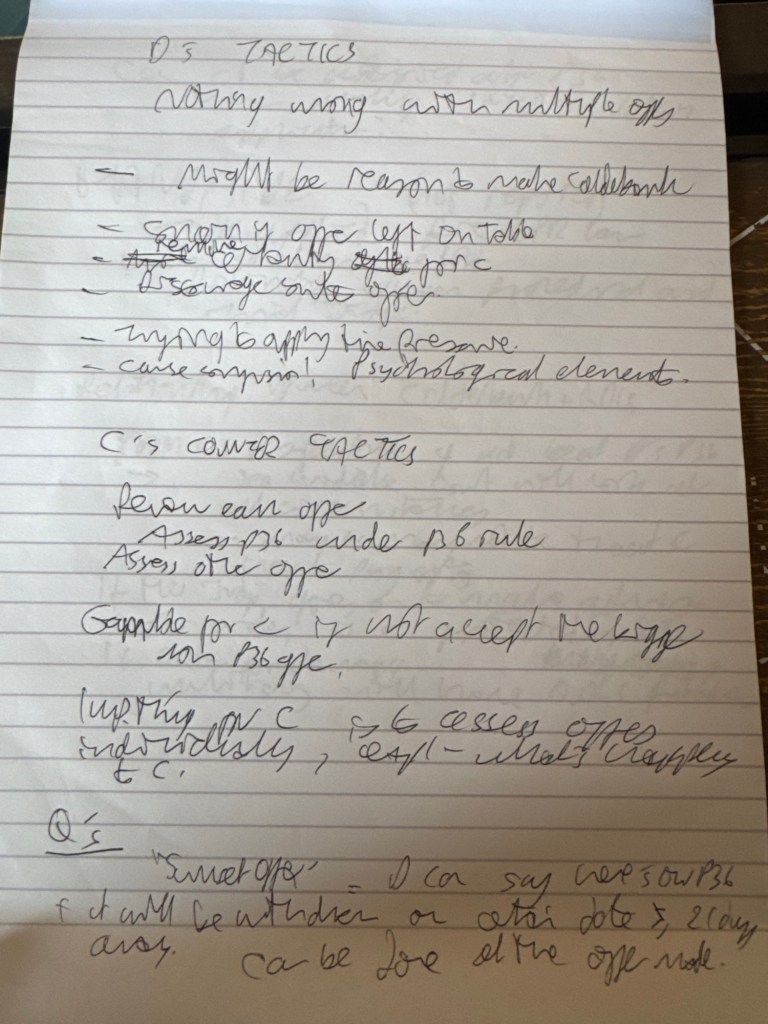
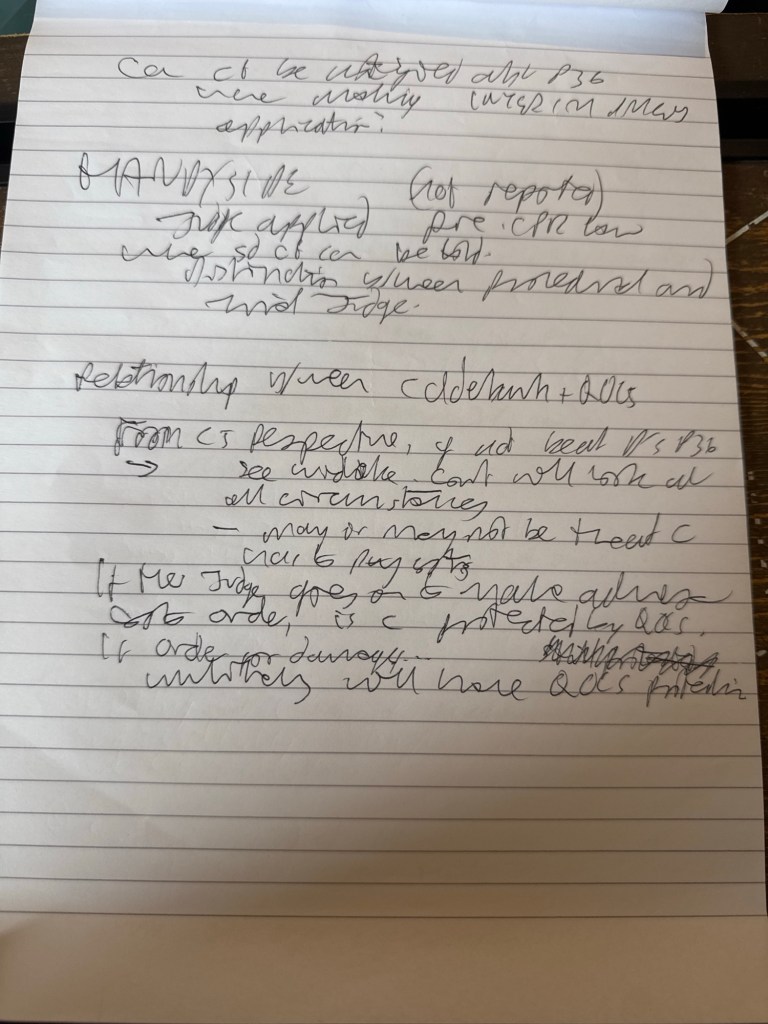
Smithstone v Tranmoor Primary School [2026] EWCA Civ 13: clarification on liability-only Part 36 offers – Farrar’s Building Barristers Chambers
— Read on www.farrarsbuilding.co.uk/smithstone-v-tranmoor-primary-school-2026-ewca-civ-13-clarification-on-liability-only-part-36-offers/
King’s Bench Guide 2026 – Courts and Tribunals Judiciary
— Read on www.judiciary.uk/guidance-and-resources/kings-bench-guide-2026/
AI should form an integral part of a firm’s risk policy, the Law Society’s risk and compliance conference heard. Data security and precautions are increasingly scrutinised when PII is renewed.
— Read on www.lawgazette.co.uk/news-focus/in-depth-put-ai-on-your-risk-agenda-firms-told/5126220.article
Claimants win over breakdown of costs – but alarmed at sting in the tail on agency fees.
— Read on www.lawgazette.co.uk/news/costs-judge-slashes-agency-fees-with-25-mark-up-cap/5126222.article
Baroness Carr tells journalists she has ‘every confidence in magistrates and Crown court judges to step up to the challenges they will be facing’.
— Read on www.lawgazette.co.uk/news/lcj-expresses-grave-security-concerns-over-judge-only-trials/5126223.article
Tribunal insists outcome ‘should not be read as creating a wider precedent for leniency’.
— Read on www.lawgazette.co.uk/news/solicitor-who-lied-to-protect-client-avoids-strike-off/5126193.article
What is Britain doing in Iran?
— Read on secure.declassifieduk.org/page/email
Fahad Ansari will have ‘full panoply of procedural protections’ if police search of his phone leads to criminal proceedings, says judge.
— Read on www.lawgazette.co.uk/news/hamas-solicitor-fails-to-force-disclosure-after-mobile-seized/5126086.article
x.com/jacksonhinklle/status/2027634243136872665
https://x.com/beckettunite/status/2027636787074437368?s=46&t=XgBsxv5LyxWhmBuQ2wK5b
https://x.com/abubakerabedw/status/2027633533229965610?s=46&t=XgBsxv5LyxWhmBuQ2wK5bA
https://x.com/adamemedia/status/2027636819400032343?s=46&t=XgBsxv5LyxWhmBuQ2wK5bA
https://x.com/partisangirl/status/2027633706945679491?s=46&t=XgBsxv5LyxWhmBuQ2wK5bA
https://x.com/falasteen47/status/2027631624259592345?s=46&t=XgBsxv5LyxWhmBuQ2wK5bA
https://x.com/ajenglish/status/2027631409154978103?s=46&t=XgBsxv5LyxWhmBuQ2wK5bA
https://x.com/jacksonhinklle/status/2027638442637619519?s=46&t=XgBsxv5LyxWhmBuQ2wK5bA
https://x.com/iranobserver0/status/2027637187185889655?s=46&t=XgBsxv5LyxWhmBuQ2wK5bA
https://x.com/iranobserver0/status/2027641055361830977?s=46&t=XgBsxv5LyxWhmBuQ2wK5bA
https://x.com/iranarmystan/status/2027564769641959772?s=46&t=XgBsxv5LyxWhmBuQ2wK5bA
https://x.com/jacksonhinklle/status/2027637181448102061?s=46&t=XgBsxv5LyxWhmBuQ2wK5bA
https://x.com/iranobserver0/status/2027636415526248918?s=46&t=XgBsxv5LyxWhmBuQ2wK5bA
https://x.com/world_affairs11/status/2027643045743673705?s=46&t=XgBsxv5LyxWhmBuQ2wK5bA
https://x.com/jacksonhinklle/status/2027638988199051761?s=46&t=XgBsxv5LyxWhmBuQ2wK5bA
https://x.com/youranoncentral/status/2027642954081571049?s=46&t=XgBsxv5LyxWhmBuQ2wK5bA
https://x.com/dropsitenews/status/2027509643086598258?s=46&t=XgBsxv5LyxWhmBuQ2wK5bA
Hi Pete Lyons
Today I was at the Frontline Club in London for the launch of the European Legal Support Centre’s Britain’s Index of Repression – along with a major new report that exposes the machinery behind the Zionist attacks many of us have seen and experienced.
This is a groundbreaking initiative that documents how people supporting Palestine in Britain are being smeared, censored, punished and targeted across workplaces, schools, universities, public institutions and beyond.
What makes it so powerful is that the cases are not hidden away in private files or scattered across social media posts. They are now publicly available in a searchable database, so people can trace the pattern for themselves:
https://www.index-of-repression.org
Crucial case set to resume in the Court of Appeal as Law Society and SRA prepare interventions.
— Read on www.lawgazette.co.uk/news/mazur-day-two-law-society-to-urge-court-to-reject-cilex-appeal/5126006.article
Government pressing ahead with ‘swift courts’ in which judge alone hears cases carrying a sentence of up to three years.
— Read on www.lawgazette.co.uk/news/society-lambasts-lammy-on-jury-reform/5126003.article
 Pete's Library